
CloseHomeApplicationsComparisonNewsContact

Article Notes

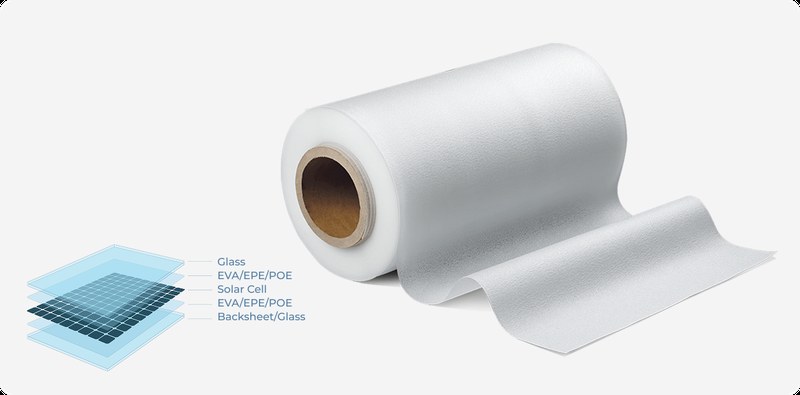
A common question is how thick EVA solar film should be for a module. There is no single number that fits every stack: the answer depends on cell thickness, interconnect height, glass curvature and the gap the film must fill. The practical goal is enough material to cover the features without excess flow at the edges.

Gauge also influences the optical path and the thermal mass the laminate must heat through. Thinner film reaches cure sooner; thicker film needs a longer dwell. Module makers therefore select gauge together with the lamination recipe, then verify the result on sample laminates.


Related application

Key Points

  • Cover the Features

    Gauge must fill the space around interconnects without leaving dry spots.

  • Match the Cycle

    Thicker film generally needs a longer heated dwell to reach full crosslinking.

  • Judge the Result

    Assess gauge by the finished laminate, not only by the number on the roll.

Further Reading

This article belongs to the Knowledge line for Solar Cell Encapsulation. The application page brings together processing guidance, application scenarios and packaging detail for this use of EVA film.

You can also read the other two lines in the same series from the news center, or compare all four applications on the comparison page.

Related Applications

Open an application page for full detail.

Start a Conversation

Scan to chat with Julie Gong on WhatsApp.